Source Food Grade Mango Leaf Extract for Medicine, Food, and Cosmetics
Find 30 verified listings for food grade mango leaf extract suitable for medicine, food, and cosmetic applications. Buyers can compare specifications like assay methods, certifications, and packaging options from suppliers in China.
Key considerations
Products List




Comprehensive Sourcing Guide
Strategic Sourcing Guide for Food Grade Mango Leaf Extract
Understanding Product Specifications and Physical Attributes
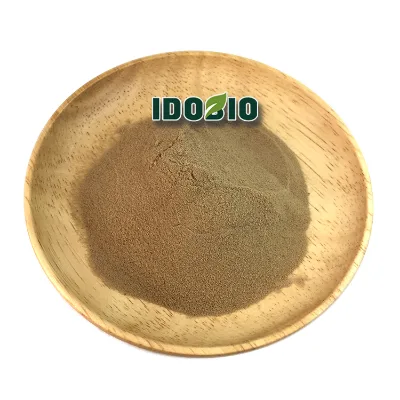
When initiating a procurement strategy for food grade mango leaf extract, the primary objective is to align technical specifications with the intended application within the food or health care sector. Based on available market data, the core product is identified as an extract derived from Mangifera Indica L., specifically utilizing the leaf portion of the plant. The physical state of the product is consistently observed as a powder, which offers logistical advantages for storage and transportation compared to liquid forms. The visual appearance of this extract typically ranges from yellow powder to brown-grey powder, a characteristic that buyers must verify against their specific quality standards to ensure consistency across batches.
The extraction methodology is a critical determinant of the final product's chemical profile. The dominant extraction type observed in the market is solvent extraction. This process involves the use of specific solvents to isolate active compounds from the raw leaf material. Buyers should note that the solubility profile of the extract is a key technical parameter; data indicates a 100% water solubility for certain grades, which significantly influences formulation capabilities in beverages, functional foods, and liquid supplements. However, the specific solvent residues and the purity of the final extract depend heavily on the manufacturer's post-extraction purification processes, which must be validated through rigorous testing.
The grade of the material is explicitly designated as food grade, ensuring suitability for consumption in various food products. This classification distinguishes the material from industrial or cosmetic grades, which may have different impurity thresholds. The product is often associated with specific model numbers, such as WG-GP01 or WA-MEO08, which serve as internal identifiers for manufacturers to track batch consistency and formulation variations. These model identifiers are essential for procurement contracts to ensure that the exact specification ordered is delivered, preventing discrepancies between the requested and received goods.
Compliance Framework and Certification Verification
Navigating the regulatory landscape is paramount when sourcing food grade ingredients for international markets. The compliance status of mango leaf extract suppliers is often validated through a suite of certifications. High-confidence data indicates that suppliers frequently hold certifications including HACCP, FDA, ISO, BRC, and RoHS. These certifications represent adherence to specific management systems and safety standards. For instance, HACCP (Hazard Analysis and Critical Control Points) is critical for food safety, while FDA registration is often a prerequisite for entry into the United States market. The presence of ISO certifications, specifically ISO9001, suggests a commitment to quality management systems, though buyers should verify the specific version of the standard, as industry norms often reference ISO9001:2015.
In addition to general quality certifications, religious and dietary compliance is frequently a requirement for global distribution. The observed certification landscape includes Halal and Kosher certificates, which are essential for accessing markets in the Middle East, Southeast Asia, and specific demographic segments globally. The combination of ISO9001, Halal, and Kosher certifications in a single supplier's portfolio indicates a robust capability to serve diverse international clients. However, buyers must treat these certifications as observations of the supplier's current status rather than a blanket guarantee for every product listing. It is imperative to request valid, current certificates for the specific batch or production line being procured, as certification status can change or be limited to specific facilities.
The origin of the raw material also plays a significant role in compliance. The primary production location identified is Shaanxi, China. This region is known for its agricultural output, but buyers must ensure that the cultivation methods align with their sustainability and ethical sourcing policies. The data points to artificial planting as the cultivation method, which implies controlled growing conditions. This controlled environment can be advantageous for maintaining consistency in the chemical composition of the leaves, but it also necessitates verification of pesticide and heavy metal usage to ensure the final extract meets the stringent limits of the target market's food safety regulations.
Cost Drivers and Economic Parameters
The pricing structure for food grade mango leaf extract is influenced by a complex interplay of factors, including raw material availability, extraction efficiency, and certification costs. The observed price range in the market spans from 6 to 500 USD, a wide variance that reflects differences in purity, concentration, and packaging specifications. A lower price point may correspond to bulk raw powder with minimal processing, while higher price points likely reflect higher concentrations of active compounds, such as quercetin or other flavonoids, or specialized processing that ensures higher purity and lower solvent residues.
The Minimum Order Quantity (MOQ) is another significant economic driver, with observed ranges extending from 1 unit to 105 units. This variability allows for flexibility in procurement strategies. Small MOQs are beneficial for initial product development, pilot testing, or for buyers with limited storage capacity. Conversely, larger MOQs often unlock better unit pricing and are more suitable for established production lines with consistent demand. Buyers must balance the cost per unit against the total capital outlay and storage costs. The single gross weight of a typical sample or small package is noted as 1.500kg, which provides a baseline for logistics planning and freight cost estimation.
Packaging specifications also impact the overall cost. The standard packaging formats include 1kg/Alu-Foil Bags and 25kg Drums, with options for vacuum packing and aluminum bags to ensure product stability. The choice between smaller unit packs and bulk drums affects the cost of goods sold, as bulk packaging reduces per-unit packaging costs but requires more significant upfront investment. Additionally, the shelf life of the product, typically observed as 2 years, influences inventory management strategies. Buyers must factor in the potential for inventory obsolescence if the product is not consumed within this timeframe, which can effectively increase the cost of goods if turnover is slow.
Technical Analysis and Quality Control Protocols
Ensuring the quality of mango leaf extract requires a robust quality control (QC) framework supported by advanced analytical testing methods. The assay methods employed by suppliers are critical for verifying the potency and purity of the extract. Commonly observed methods include UV (Ultraviolet) spectroscopy, HPLC (High-Performance Liquid Chromatography), GPC (Gel Permeation Chromatography), and HPLC-MS (High-Performance Liquid Chromatography-Mass Spectrometry). The use of HPLC-MS is particularly significant as it offers high sensitivity and specificity, allowing for the precise identification and quantification of trace compounds and potential contaminants.
The test methods also include TLC (Thin Layer Chromatography), which is often used for rapid screening and fingerprinting of the extract. The consistency of the assay results is vital for maintaining product reliability. Buyers should request detailed test reports that specify the assay method used, the detection limits, and the results for key active ingredients. The standard concentration ratios, such as 10:1, and specific compound percentages like 50% or 70%, are observed in the market data. These figures represent the concentration of the extract relative to the raw material or the percentage of specific active compounds. However, these values should be treated as observed ranges rather than fixed guarantees. Buyers must verify these specifications for each batch, as natural variations in raw materials can lead to fluctuations in the final product's composition.
Solubility is another critical quality parameter. The observation of 100% water solubility suggests that the extract is highly suitable for aqueous-based formulations. However, buyers should conduct their own solubility tests under their specific processing conditions to ensure compatibility with their production equipment and formulation matrices. The appearance of the powder, ranging from yellow to brown-grey, should also be monitored visually and spectrophotometrically to detect any signs of degradation or contamination.
Application Scope and Formulation Considerations
The versatility of food grade mango leaf extract makes it a valuable ingredient across multiple sectors, including medicine, health care products, and food. The application forms supported by the product data are extensive, ranging from capsules and tablets to pastes, suppositories, lotions, and injections. This broad applicability indicates that the extract can be integrated into solid dosage forms, semi-solid preparations, and liquid formulations. The specific application form chosen will dictate the required particle size, solubility, and stability of the extract.
In the food industry, the extract is likely utilized for its potential health benefits, such as antioxidant properties, which are often associated with mango leaf compounds. The food grade certification ensures that the extract meets safety standards for human consumption. The ability to produce the extract in various forms allows manufacturers to tailor products to specific consumer preferences and regulatory requirements. For example, capsules and tablets are popular for dietary supplements, while lotions and pastes may be used in functional foods or topical applications that claim health benefits.
The extraction type and the resulting chemical profile also influence the application. Solvent extraction allows for the isolation of specific bioactive compounds, which can be targeted for specific health claims. However, the choice of solvent and the subsequent removal of residues must be carefully managed to ensure the final product is safe for consumption. The part used, specifically the leaf, provides a distinct chemical profile compared to other parts of the mango plant, such as the fruit or seed. This uniqueness is a key selling point for manufacturers seeking differentiated products in a competitive market.
Supplier Evaluation and Long-Term Procurement Strategy
Selecting the right supplier for food grade mango leaf extract requires a comprehensive evaluation of their capabilities, reliability, and commitment to quality. The supplier's location, identified as Shaanxi, China, provides insight into the supply chain dynamics and potential logistics challenges. Buyers should assess the supplier's production capacity, with observed batch quantities reaching up to 2000kg, to ensure they can meet demand fluctuations. The availability of samples, typically 10-20g, allows for preliminary testing and validation before committing to larger orders.
Long-term procurement considerations involve building a relationship with a supplier that can provide consistent quality and reliable delivery. The shelf life of 2 years offers a reasonable window for inventory management, but buyers must plan their ordering cycles to minimize the risk of product degradation. The customization options available from suppliers, such as specific packaging or concentration levels, can be leveraged to create unique product offerings. However, buyers must ensure that any customizations do not compromise the product's stability or safety.
The certification status of the supplier is a critical factor in the evaluation process. A supplier holding multiple certifications, such as HACCP, FDA, ISO, and Halal/Kosher, demonstrates a higher level of commitment to quality and compliance. However, buyers should not rely solely on the presence of these certifications; they must verify the validity and scope of each certificate. Regular audits and third-party testing can provide additional assurance of the supplier's adherence to quality standards.
| Evaluation Criteria | Key Considerations | Verification Method |
|---|---|---|
| Certifications | HACCP, FDA, ISO, BRC, RoHS, Halal, Kosher | Request current certificates and verify validity |
| Assay Methods | UV, HPLC, GPC, HPLC-MS, TLC | Review batch test reports and compare with specs |
| Packaging | Drum, Vacuum Packed, Alu-Bag, 1kg/25kg | Inspect packaging integrity and labeling |
| Origin | Shaanxi, China | Verify cultivation and extraction facility location |
| Sample Quality | 10-20g available, 100% water soluble | Conduct in-house solubility and purity tests |
By adhering to a rigorous evaluation framework and maintaining a focus on technical specifications and compliance, buyers can secure a reliable supply of high-quality food grade mango leaf extract. This approach minimizes risk and ensures that the final products meet the highest standards of safety and efficacy.
FAQs
What certifications does food grade mango leaf extract have?
The product holds HACCP, FDA, ISO, BRC, and RoHS certifications. Additional certificates include ISO9001, Halal, and Kosher, ensuring compliance for international food and health care markets.
How is the extract processed and what is its appearance?
Manufacturers use solvent extraction to produce a brown yellow to off white powder. The product originates from artificial planting in Shaanxi, China, and appears as yellow or brown grey powder.
Can the extract be used in injections and capsules?
Yes, the application forms include capsules, tablets, pastes, suppositories, lotions, and injections. This versatility allows integration into various medicine, health care, and food products.
What is the shelf life and packaging for this extract?
The shelf life is two years when stored properly. Packaging options include drums, vacuum packed bags, and aluminum foil bags with standard weights of 1kg or 25kg per drum.
Which assay methods verify the quality of the extract?
Quality is verified using UV, HPLC, GPC, and HPLC-MS assay methods. TLC is also used as a test method to ensure the product meets the specified 10:1 standard or 50-70% concentration.
What is the solubility profile of the mango leaf powder?
The extract is 100% water soluble, making it suitable for aqueous formulations. This property supports its use in beverages, functional foods, and liquid supplements without requiring additional solvents.